Table of Contents
- Introduction
- What Causes Poor Blood Circulation
- Signs of Poor Blood Circulation
- Early Signs of Circulation Problems
- When Should You See a Doctor
- How Swastik Hospital Can Help
- FAQs
Introduction
Our body depends on a steady flow of blood to keep every organ, muscle, and tissue working properly. When that flow slows down or gets blocked, the effects can show up in ways that are easy to miss at first. Knowing the warning signs of poor blood circulation can help you catch a problem early, before it turns into something more serious. In this blog, we will walk you through what causes circulation issues, the common signs to watch for, and when it’s time to get checked by a specialist.
What Causes Poor Blood Circulation
Before we talk about symptoms, it helps to understand what causes poor blood circulation in the first place. There are several everyday habits and health conditions that can slow down blood flow through your arteries and veins:
- Sedentary lifestyle – Sitting for long hours without movement reduces blood flow to the legs and feet.
- Smoking – Tobacco damages blood vessel walls and narrows arteries over time.
- Diabetes – High blood sugar levels can damage blood vessels and nerves, especially in the lower limbs.
- Obesity – Extra body weight puts pressure on veins and arteries, making circulation harder.
- High cholesterol – Plaque buildup in the arteries (atherosclerosis) restricts blood flow.
- High blood pressure – Forces the heart and vessels to work harder, gradually weakening them.
- Blood clots – Clots can partially or fully block blood vessels, cutting off circulation to a limb or organ.
- Cold weather – Constricts blood vessels temporarily, which can worsen underlying circulation issues.
Understanding these causes is the first step toward prevention, since many of them are linked to lifestyle choices that can be changed.
Signs of Poor Blood Circulation
So, what are the warning signs your body might give you? The signs of poor blood circulation often develop gradually and can be mistaken for general tiredness or aging. Here are the most common ones:
- Cold hands and feet – Reduced blood flow means less warmth reaches your extremities.
- Numbness or tingling – A “pins and needles” feeling in the hands, legs, or feet.
- Swelling in the legs, ankles, or feet – Fluid builds up when blood doesn’t circulate back to the heart efficiently.
- Muscle cramps, especially in the legs – Cramping during walking or at night can signal restricted blood flow.
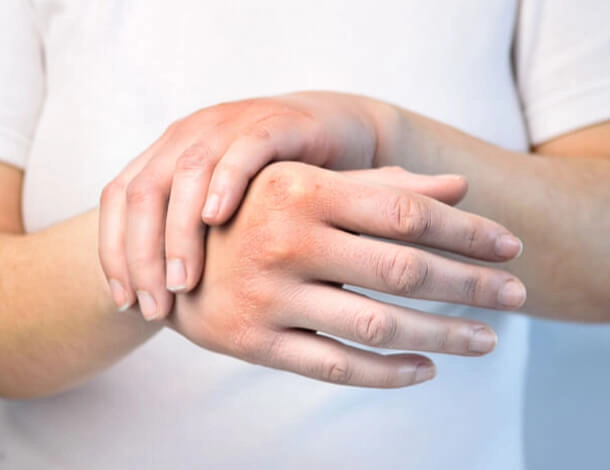
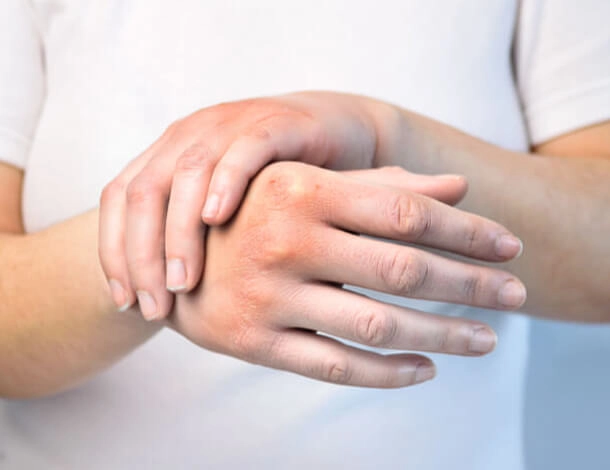
- Skin color changes – Skin may appear pale, bluish, or reddish-purple in affected areas.
- Slow-healing wounds – Cuts and sores take longer to heal when circulation is poor.
- Varicose veins – Twisted, enlarged veins are often a visible sign of circulation trouble.
- Fatigue – Muscles and organs that don’t get enough oxygen-rich blood tire more easily.
- Hair loss on legs or feet – Poor blood supply can affect hair follicles over time.
If you notice several of these signs together, it’s worth paying closer attention to your circulatory health.
Early Signs of Circulation Problems
Catching issues early makes treatment much simpler. The early signs of circulation problems are often subtle and easy to dismiss:
- Mild tingling or a “sleeping” sensation in the hands or feet that comes and goes.
- Feeling unusually cold in one limb compared to the other.
- Slight puffiness around the ankles by the end of the day.
- Occasional muscle cramps after walking short distances.
- Nails that grow more slowly or become brittle.
- A faint bluish tint to the fingertips or toes in cool weather.
These small changes are your body’s way of signaling that blood flow isn’t as efficient as it should be. Addressing them early, through better diet, regular movement, and medical guidance, can prevent complications like ulcers, infections, or even blood clots.
When Should You See a Doctor
If cold extremities, swelling, or cramping become frequent, or if you notice open sores that aren’t healing, it’s time to consult a doctor. People with diabetes, high blood pressure, or a family history of heart disease should be especially watchful, since circulation problems can sometimes point to deeper cardiovascular concerns. A simple physical exam, along with tests like Doppler ultrasound or blood work, can help a doctor pinpoint the cause and recommend the right treatment plan.
Swastik Hospital
If you’re experiencing any of the symptoms mentioned above, don’t wait for them to get worse. Swastik Hospital has an experienced team of specialists who can evaluate your circulatory health, run the right diagnostic tests, and guide you toward an effective treatment plan tailored to your needs.
Swastik Hospital
Location : 76/1, Ambalipura – Sarjapur Rd, Dommasandra, Bengaluru, Karnataka – 562125 Phone number : +91-6364905200
Reach out today to book a consultation and take the first step toward better circulation and overall health.
FAQs
1. What is the most common early sign of poor blood circulation?
Cold hands and feet, along with occasional tingling or numbness, are usually the first noticeable signs.
2. Can poor blood circulation be reversed?
In many cases, yes. Lifestyle changes such as regular exercise, quitting smoking, and managing conditions like diabetes or high cholesterol can significantly improve blood flow.
3. Is poor circulation more common in the legs?
Yes, because the legs are farthest from the heart, they are more prone to circulation issues, especially with prolonged sitting or standing.
4. When should I worry about swelling in my feet?
If swelling is persistent, painful, or occurs in only one leg, it could indicate a blood clot or vein problem and should be checked promptly.
5. Can diet improve blood circulation?
Yes, a diet rich in fruits, vegetables, whole grains, and healthy fats can support better blood vessel health, while reducing salt and processed foods helps manage blood pressure.