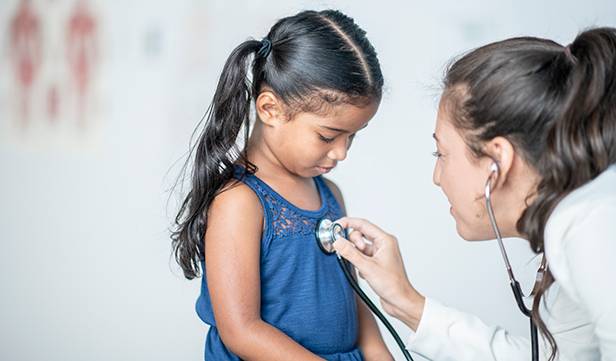
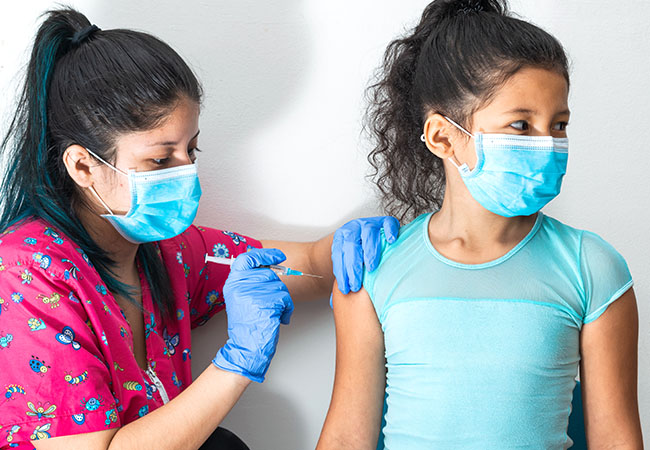
Watching your child get a shot is never fun for them or for you. But those few seconds of discomfort are one of the most powerful things you can do to protect your child’s health for a lifetime. Understanding essential vaccinations for children helps parents feel confident instead of anxious when it’s time for a clinic visit, and it’s one of the simplest ways to keep serious diseases out of your child’s life.
Why Are Childhood Vaccinations Important?
Before diving into the schedule, it helps to understand why childhood vaccinations are important in the first place. A child’s immune system is still learning how to fight off infections. Vaccines work by giving the immune system a safe preview of a virus or bacteria, so the body knows exactly how to respond if it ever encounters the real thing.
Without vaccines, diseases like measles, whooping cough, and polio spread quickly among children, often leading to hospitalization or lifelong complications. With widespread vaccination, these illnesses have become rare in many parts of the world — but they haven’t disappeared. Skipping vaccines doesn’t just put one child at risk; it weakens the protection of an entire community, especially for infants too young to be vaccinated and children with weaker immune systems.
The Importance of Child Vaccination Beyond Just Prevention
The importance of child vaccination goes beyond preventing a single illness. Vaccinated children are less likely to miss school due to sickness, less likely to spread infections to siblings or grandparents, and less likely to face expensive medical treatment later in life. Many vaccines also protect against complications that aren’t obvious at first glance — for instance, mumps can cause hearing loss, and chickenpox can lead to serious skin infections or pneumonia in rare cases.
Vaccination also builds what doctors call herd immunity. When enough children in a community are vaccinated, diseases have a much harder time spreading, which protects newborns, pregnant women, and people who can’t be vaccinated for medical reasons.
Which Vaccines Are Essential for Children?
So, which vaccines are essential for children? While your pediatrician will tailor a schedule based on your child’s age and health history, most childhood immunization programs include the following:
- Hepatitis B (HepB) – Usually given at birth and completed in a series of shots, protecting the liver from a virus that can cause long-term damage.
- DTaP (Diphtheria, Tetanus, and Pertussis) – Protects against three serious bacterial infections, including whooping cough, which is especially dangerous for infants.
- Polio (IPV) – Prevents a disease that can cause permanent paralysis; thanks to vaccination, polio cases have dropped dramatically worldwide.
- MMR (Measles, Mumps, and Rubella) – A combination shot that guards against three highly contagious viral illnesses.
- Varicella (Chickenpox) – Reduces the risk of severe chickenpox and its complications.
- Hib (Haemophilus influenzae type b) – Protects against a bacterial infection that can cause meningitis in young children.
- Pneumococcal Conjugate Vaccine (PCV) – Guards against pneumonia, ear infections, and bloodstream infections.
- Rotavirus Vaccine – Prevents severe diarrhea and dehydration in infants.
- Annual Flu Shot – Recommended every year starting at six months of age to reduce the risk of seasonal influenza and its complications.
These childhood vaccines are typically spread out across scheduled visits from birth through age six, with a few boosters recommended during the teenage years, such as the Tdap booster and the HPV vaccine.
Staying on Schedule
Every child’s vaccination timeline can look slightly different depending on their health, travel plans, or if they’ve missed a dose. That’s why regular pediatric check-ups matter — they’re not just about tracking height and weight, but about making sure your child’s immunity is on track too. If your child has missed a vaccine or you’re unsure what’s next, a quick conversation with your pediatrician can get things back on schedule without starting over.
A Quick Note on Safety
It’s natural for parents to have questions or concerns about vaccine safety. Mild side effects like a sore arm, low fever, or fussiness for a day or two are common and are simply signs the immune system is doing its job. Serious side effects are extremely rare and are closely monitored by health authorities worldwide. If you ever have concerns, your child’s doctor is the best person to talk to before or after any vaccination.
Visit Swastik Hospital for Your Child’s Vaccination Needs
If you’re looking for a trusted place to keep your child’s vaccinations on track, Swastik Hospital is here to help. Our pediatric team creates a comfortable, caring environment for both children and parents, making every visit as stress-free as possible.
Swastik Hospital
Phone: 6364905200
Address: 76/1, Ambalipura – Sarjapur Rd, Dommasandra, Bengaluru, Karnataka – 562125
Frequently Asked Questions
1. At what age should childhood vaccinations begin? Most vaccination schedules begin at birth with the Hepatitis B vaccine, followed by several rounds of shots at 2, 4, 6, 12, and 15-18 months.
2. Are vaccines safe for premature babies? Yes, in most cases. Premature babies generally follow the same vaccination schedule based on their actual birth date, not their due date, unless a doctor recommends otherwise.
3. Can my child receive multiple vaccines in one visit? Yes. Combination vaccines and same-day multiple shots are safe and reduce the number of clinic visits needed.
4. What should I do if my child misses a scheduled vaccine? Contact your pediatrician as soon as possible. Most missed vaccines can be caught up without restarting the entire series.
5. Do vaccinated children still need booster shots later in life? Yes. Some vaccines, like Tdap and certain MMR doses, require booster shots during childhood or adolescence to maintain full protection.