Table of Contents
Introduction
What Is Laparoscopic Surgery?
Laparoscopic Surgery Recovery Time: What to Expect
Recovery After Laparoscopic Surgery: Day by Day
Laparoscopic Surgery Recovery Tips
Recovery Period After Laparoscopic Surgery: Factors That Matter
When Should You Call Your Doctor?
Expert Laparoscopic Care at Swastik Hospital
Frequently Asked Questions (FAQs)
Introduction
If your doctor has recommended laparoscopic surgery, one of the first questions on your mind is probably: How long does it take to recover? It’s a fair concern. You want to know when you can get back to work, cook meals, drive, or simply feel like yourself again.
The good news is that laparoscopic surgery, often called keyhole surgery, is known for faster healing than traditional open surgery. Let’s walk through what you can realistically expect.
What Is Laparoscopic Surgery?
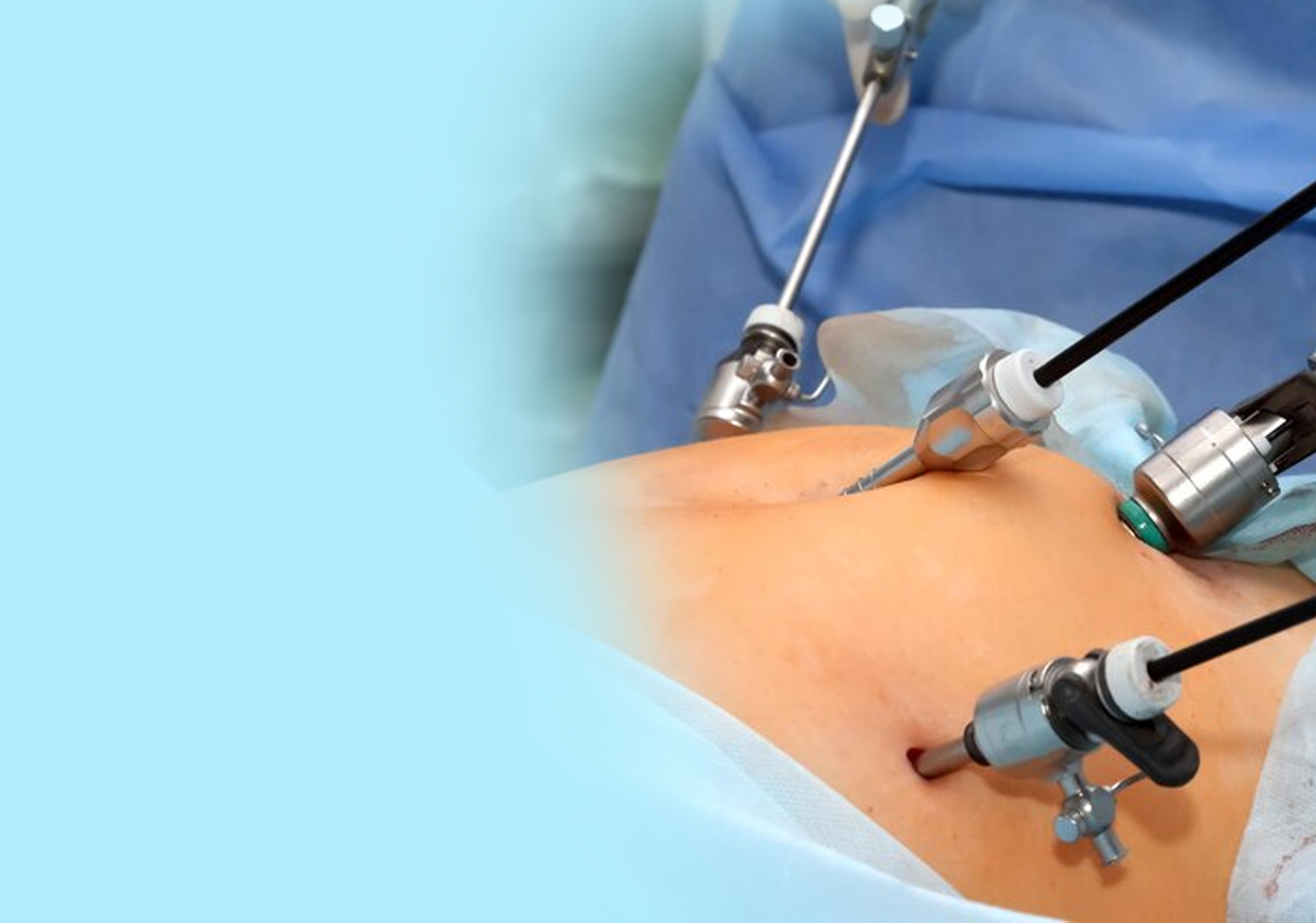
Laparoscopic surgery is a minimally invasive technique. Instead of one large cut, the surgeon makes a few tiny incisions, usually 0.5 to 1.5 cm each. A thin tube with a camera (the laparoscope) and small surgical instruments are passed through these openings. The camera sends live images to a monitor, which guides the surgeon throughout the procedure.
It is commonly used for gallbladder removal, appendectomy, hernia repair, gynecological procedures such as hysterectomy or fibroid removal, and certain stomach and intestinal surgeries. Because the cuts are small, there is less pain, less blood loss, and a lower risk of infection.
Laparoscopic Surgery Recovery Time: What to Expect
Many people ask, how long does laparoscopic surgery take to recover? The honest answer is that it depends on the type of procedure, your age, your overall health, and how closely you follow your doctor’s advice. Still, here is a general guide:
- Hospital stay: Most patients go home within 24 to 48 hours. Some simple procedures are even done as day-care surgery.
- First week: Expect some tiredness, mild pain around the incision sites, and bloating. Light walking is encouraged.
- 1 to 2 weeks: Many people return to desk work and light daily routines.
- 3 to 4 weeks: Energy levels improve, and most normal activities can be resumed.
- 4 to 6 weeks: Full recovery for more complex procedures such as hysterectomy or hernia repair, including heavy lifting and strenuous exercise.
Compared to open surgery, which may need 6 to 8 weeks or more, the laparoscopic surgery recovery time is noticeably shorter.
Recovery After Laparoscopic Surgery: Day by Day
Day 1 to 3: You may feel groggy from anesthesia, with some nausea or a sore throat. Shoulder pain is also common, caused by the gas used to inflate the abdomen during surgery. It usually fades within a couple of days.
Day 4 to 7: Pain reduces gradually. You’ll likely be moving around more comfortably, though you may still tire easily. Your appetite starts returning to normal.
Week 2: Incisions begin to heal well. Most people feel much stronger and can slowly return to regular routines.
Week 3 onwards: You should feel close to normal, though it’s wise not to rush into heavy activity.
Laparoscopic Surgery Recovery Tips
Following a few simple habits can make your healing smoother. Here are some practical recovery tips after laparoscopic surgery :
- Walk daily. Short, gentle walks improve blood circulation, reduce gas pain, and lower the risk of blood clots.
- Take medicines as prescribed. Complete your antibiotics and use painkillers only as directed.
- Keep incisions clean and dry. Follow your surgeon’s instructions on dressing changes and bathing.
- Eat light, nutritious meals. Start with easily digestible food and include fiber, protein, and plenty of fluids. This also helps prevent constipation.
- Avoid heavy lifting. Skip anything heavier than 4 to 5 kg for at least 3 to 4 weeks, or as advised.
- Rest well. Your body heals during sleep, so don’t skip it.
- Support your abdomen. Hold a small pillow against your belly when coughing or sneezing.
- Attend follow-up visits. These check-ups help catch any issues early.
These laparoscopic surgery recovery tips may seem simple, but they make a real difference in how quickly and comfortably you heal.
Recovery Period After Laparoscopic Surgery: Factors That Matter
The recovery period after laparoscopic surgery is different for everyone. Several factors play a role:
- Type of surgery: A gallbladder removal heals faster than a complex bowel procedure.
- Age and health: Younger, healthier patients usually bounce back sooner. Conditions like diabetes or obesity can slow healing.
- Lifestyle: Smoking delays wound healing, so avoiding it is strongly recommended.
- Post-surgery care: Sticking to your doctor’s guidance is the biggest factor in a smooth recovery.
When Should You Call Your Doctor?
While complications are uncommon, contact your surgeon immediately if you notice:
- A fever above 100.4°F (38°C)
- Increasing redness, swelling, or pus at the incision
- Severe or worsening abdominal pain
- Persistent vomiting
- Difficulty passing urine or stool
- Shortness of breath or chest pain
Acting early prevents small problems from becoming serious ones.
Expert Laparoscopic Care at Swastik Hospital
Choosing the right hospital and surgeon matters as much as the surgery itself. Swastik Hospital in Bengaluru offers advanced laparoscopic procedures with experienced surgeons, modern operation theatres, and attentive post-operative care. From your first consultation to your final follow-up, the team focuses on safe surgery, comfortable healing, and clear guidance at every step.
Swastik Hospital
Location : 76/1, Ambalipura – Sarjapur Rd, Dommasandra, Bengaluru, Karnataka – 562125
Phone No : +91-6364905201
Frequently Asked Questions (FAQs)
1. How long does it take to recover after laparoscopic surgery?
Most people recover in 1 to 4 weeks, depending on the procedure. Simple surgeries like appendectomy or gallbladder removal heal faster, while hysterectomy or hernia repair may take up to 6 weeks.
2. When can I return to work after laparoscopic surgery?
Those with desk jobs can often return within 1 to 2 weeks. If your work involves physical labor or heavy lifting, you may need 4 to 6 weeks off.
3. Is pain normal after laparoscopic surgery?
Yes, mild to moderate pain around the incisions and in the shoulders is normal for a few days. It is usually well managed with prescribed medication and improves steadily.
4. When can I start exercising again?
Gentle walking can begin right away. Moderate exercise is usually safe after 2 to 3 weeks, while intense workouts and weightlifting should wait until your surgeon gives clearance, typically 4 to 6 weeks.
5. What foods should I eat during recovery?
Focus on light, high-fiber, protein-rich meals with lots of water. Fruits, vegetables, dal, soups, and curd are good choices. Avoid oily, spicy, and heavy foods in the first week or two.