Table of Contents
- Introduction
- Is Cosmetic Surgery Safe?
- Is Cosmetic Surgery Safe for Everyone?
- What Are the Benefits of Cosmetic Surgery?
- What Are the Risks of Cosmetic Surgery?
- Cosmetic Surgery Side Effects
- Cosmetic Surgery Recovery and Recovery Time
- Choosing the Right Hospital
- FAQs
Introduction
More people than ever are considering a nip, tuck, or full transformation to feel better in their own skin. But before booking that first consultation, one question comes up again and again: is cosmetic surgery safe? The honest answer is that it can be very safe, but only when it’s done for the right reasons, by the right surgeon, in the right facility. This blog breaks down the real cosmetic surgery benefits, the cosmetic surgery risks you should know about, and what actual recovery looks like, so you can make an informed decision instead of a rushed one.
Is Cosmetic Surgery Safe?
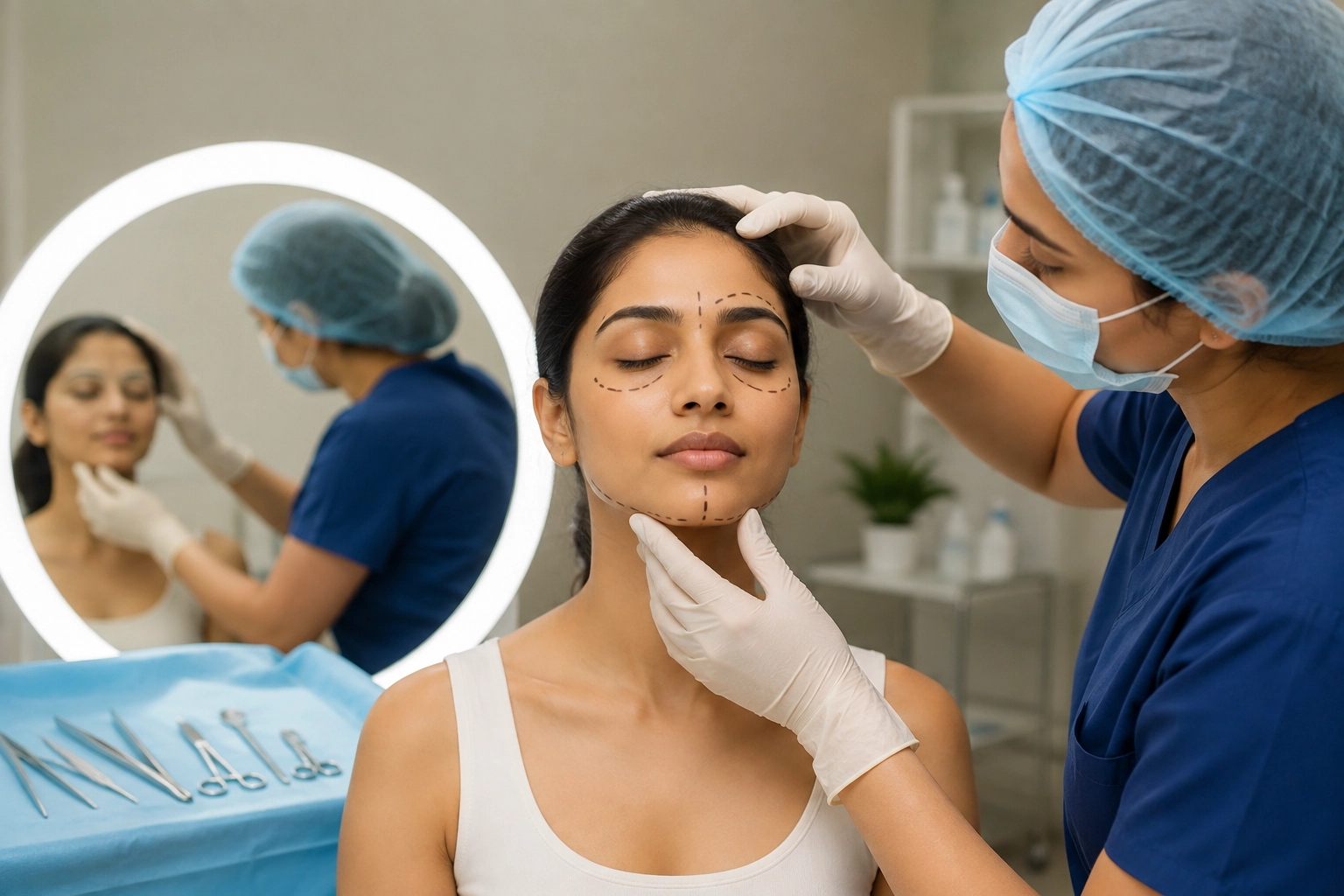
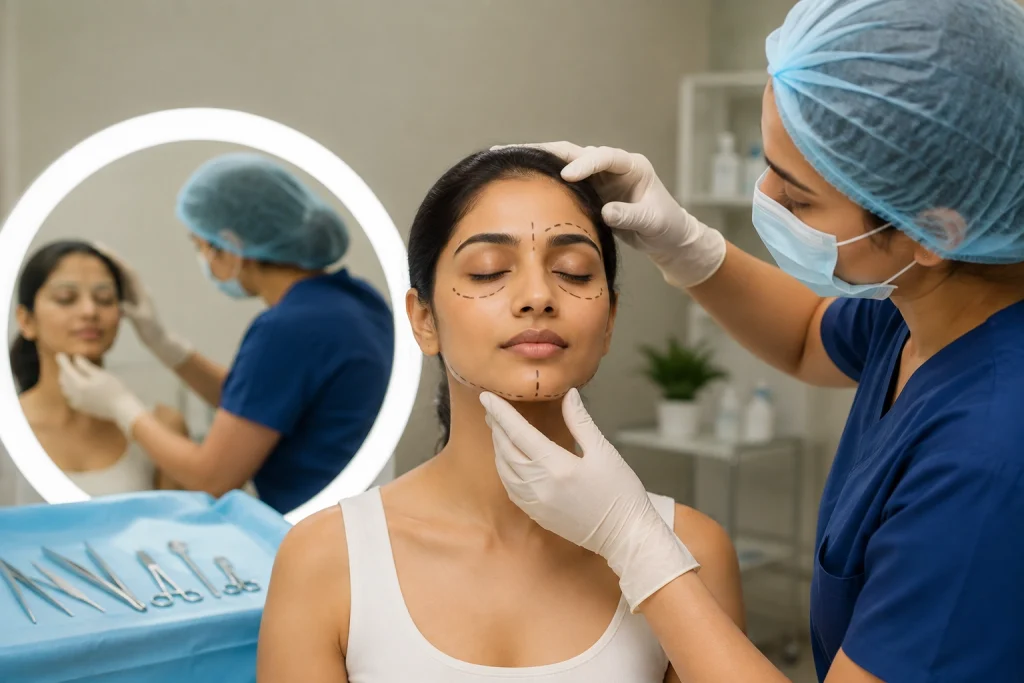
Cosmetic surgery has come a long way in the last two decades. Advances in anesthesia, minimally invasive techniques, and post-operative monitoring have made most procedures far safer than they used to be. That said, safety isn’t automatic. It depends heavily on the surgeon’s experience, the hospital’s infrastructure, your own health background, and how closely you follow pre- and post-op instructions. Choosing an accredited facility with board-certified surgeons and proper emergency backup dramatically lowers the chances of anything going wrong.
Is Cosmetic Surgery Safe for Everyone?
This is where many people get it wrong. Just because a procedure is popular doesn’t mean it’s right for you. Is cosmetic surgery safe for everyone? Not quite. People with uncontrolled diabetes, heart conditions, bleeding disorders, active infections, or certain autoimmune diseases may face higher complication rates. Smokers and people with unrealistic expectations about results are also considered higher risk. A thorough pre-surgery evaluation, including blood work and a detailed medical history review, helps your surgeon decide whether you’re a good candidate or whether the procedure should be delayed or modified.
What Are the Benefits of Cosmetic Surgery?
When approached thoughtfully, the upsides can be significant. So, what are the benefits of cosmetic surgery?
- Boosted self-confidence – Many patients report feeling more comfortable in social and professional settings after correcting a feature that bothered them for years.
- Improved physical comfort – Procedures like breast reduction or rhinoplasty (for breathing issues) can solve functional problems, not just cosmetic ones.
- Long-term results – Unlike temporary fixes, surgical procedures often deliver results that last for years, sometimes permanently.
- Correction of asymmetry or injury – Reconstructive elements of cosmetic surgery can restore a more balanced, natural appearance after accidents or medical conditions.
- Better quality of life – From easier movement after body contouring to reduce skin irritation after tummy tucks, the benefits often extend beyond appearance.
What Are the Risks of Cosmetic Surgery?
No surgery is entirely risk-free, and it’s important to go in with clear eyes. What are the risks of cosmetic surgery? Common ones include:
- Infection at the incision site
- Excessive bleeding or hematoma
- Adverse reactions to anesthesia
- Scarring that doesn’t fade as expected
- Nerve damage or temporary numbness
- Unsatisfactory or asymmetrical results requiring revision surgery
- Blood clots, particularly in longer procedures
The risks of cosmetic surgery increase when patients skip pre-surgical screening, choose unaccredited clinics, or don’t disclose their full medical history. Being transparent with your surgeon about medications, allergies, and past surgeries is one of the simplest ways to reduce these risks.
Cosmetic Surgery Side Effects
It’s worth separating serious risks from the more routine cosmetic surgery side effects most patients experience. These are usually temporary and expected:
- Swelling and bruising around the treated area
- Mild to moderate pain, usually managed with prescribed medication
- Temporary numbness or tightness in the skin
- Fatigue for the first few days
- Itching as the incision heals
These side effects typically fade within one to a few weeks and are considered a normal part of the healing process rather than complications.
Cosmetic Surgery Recovery and Recovery Time
Understanding cosmetic surgery recovery is just as important as understanding the procedure itself. Recovery isn’t one-size-fits-all; it depends on the type of surgery, your overall health, and how well you follow aftercare instructions.
Cosmetic surgery recovery time varies widely by procedure:
- Minimally invasive treatments (fillers, laser resurfacing): a few days
- Rhinoplasty: 1–2 weeks for visible bruising to fade, full results in months
- Liposuction: 1–2 weeks before returning to normal activity
- Tummy tuck or breast surgery: 2–6 weeks, with strenuous activity restricted longer
- Facelift: 2–3 weeks before returning to work, with subtle healing continuing for months
To support smoother healing, patients are generally advised to rest adequately, avoid smoking and alcohol, wear compression garments if prescribed, attend every follow-up appointment, and watch for warning signs like fever, unusual swelling, or discharge.
Choosing the Right Hospital
Given everything above, the single biggest factor in cosmetic surgery safety is where you choose to have it done. A hospital with experienced surgeons, modern operation theatres, proper anesthesia protocols, and round-the-clock post-operative care makes all the difference between a smooth recovery and a stressful one.
Swastik Hospital is known for offering safe, well-supervised cosmetic and reconstructive procedures with a strong focus on patient safety, personalized consultations, and dedicated post-surgery follow-up. If you’re exploring your options and want an honest, professional evaluation of what’s right for you, their team can guide you through the process from consultation to recovery.
Swastik Hospital
Location : 76/1, Ambalipura – Sarjapur Rd, Dommasandra, Bengaluru, Karnataka – 562125 Phone number : +91-6364905200
FAQs
1. Is cosmetic surgery safe in the long run?
Yes, for most healthy adults, cosmetic surgery performed by qualified surgeons in accredited facilities is safe long-term, with results that can last for years.
2. How do I know if I’m a good candidate for cosmetic surgery?
A good candidate is generally in stable health, a non-smoker (or willing to quit temporarily), has realistic expectations, and has no uncontrolled medical conditions. Your surgeon will confirm this during a pre-op evaluation.
3. What is the most common side effect after cosmetic surgery?
Swelling and bruising are the most common side effects, and they usually resolve within one to three weeks depending on the procedure.
4. How long does full recovery from cosmetic surgery take?
It ranges from a few days for minimally invasive treatments to several weeks or months for major surgeries like tummy tucks or facelifts.
5. Can cosmetic surgery risks be reduced?
Yes. Choosing a board-certified surgeon, disclosing your full medical history, following pre- and post-op instructions carefully, and having surgery at a reputable hospital significantly lowers your risk of complications.