Between school, sports, and the everyday chaos of raising a child, it’s easy for parents to only think about the doctor when something goes wrong. But some of the most valuable visits happen when your child isn’t sick at all. Pediatric health checkups are where small issues get caught early, growth gets tracked properly, and parents get real answers to the questions that keep them up at night.
What Exactly Is a Child Health Checkup?
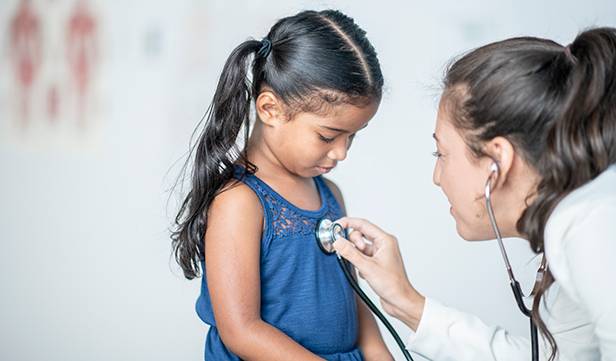
A child health checkup is a scheduled visit with a pediatrician that goes beyond just checking for illness. It typically includes measuring height and weight, tracking developmental milestones, reviewing nutrition and sleep habits, checking vision and hearing, and making sure your child is on track with their vaccines. Think of it as a full-body, full-picture review of how your child is growing — physically, mentally, and emotionally.
Unlike a sick visit, which focuses on treating a specific symptom, a wellness checkup looks at the bigger picture. It’s a chance for the pediatrician to notice patterns a parent might not think to mention, like a slight dip in growth curve or a delay in speech development.
Why Regular Pediatric Checkups Matter
Regular pediatric checkups aren’t just a formality — they’re one of the most effective tools in modern child healthcare. Children grow and change so quickly that a problem which seems minor at six months can look very different by the time they turn two if it isn’t addressed. Regular visits create a timeline that helps your pediatrician spot issues early, whether that’s a heart murmur, a vision problem, or a nutritional gap.
These checkups also give parents a consistent relationship with a pediatrician for child health, someone who knows your child’s history and can notice subtle changes over time rather than starting from scratch at every visit. That continuity matters, especially during the early years when so much development happens in a short span of time.
The Role of a Child Wellness Checkup in Long-Term Health
A child wellness checkup isn’t only about the present moment — it’s an investment in your child’s future health. Habits formed early, like healthy eating, good sleep routines, and regular physical activity, are often shaped during conversations that happen at these visits. Pediatricians use wellness checkups to guide parents on nutrition, screen time, behavioral development, and even mental health as children grow into their teenage years.
This is where preventive healthcare for children truly comes into play. Instead of waiting for a problem to appear, preventive care focuses on stopping issues before they start. This might mean catching early signs of obesity, identifying developmental delays, or managing allergies before they become severe.
Pediatric Preventive Care and Immunizations
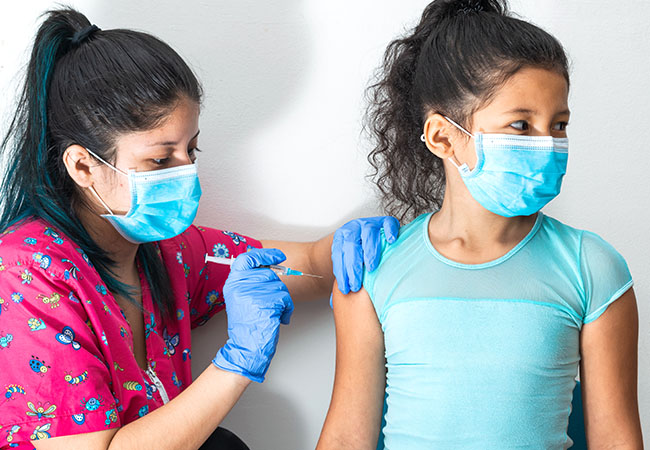
Pediatric preventive care covers a wide range of services, but one of the most critical components is child vaccination and immunization. Checkups are typically timed around the vaccination schedule, ensuring your child receives protection against diseases like measles, whooping cough, and polio right when they need it most. Missing a routine checkup often means missing or delaying an important vaccine dose, which can leave a window of vulnerability.
A routine health checkup for children also includes screening for common childhood concerns such as anemia, lead exposure, hearing issues, and dental health, many of which don’t show obvious symptoms until they’ve progressed further.
The Importance of Pediatric Checkups Across Every Age Group
The importance of pediatric checkups doesn’t fade as your child gets older. Infants need frequent visits to monitor rapid growth and development. Toddlers and school-age children benefit from checkups that track learning readiness, social development, and physical activity levels. Teenagers, meanwhile, need checkups that address puberty, mental health, and lifestyle habits that will carry into adulthood.
Skipping checkups at any stage creates gaps in a child’s health record, making it harder for doctors to notice when something has changed. Consistency really is the key here.
Choosing the Right Pediatrician
Finding the best pediatrician for children isn’t just about credentials — it’s about finding someone your child feels comfortable with and someone who takes the time to actually listen to your concerns as a parent. A good pediatrician explains things clearly, doesn’t rush through appointments, and treats every visit, sick or well, as an opportunity to support your child’s overall development.
Visit Swastik Hospital for Your Child’s Health Checkups
If you’re looking for a dependable, caring place for your child’s health checkups and vaccinations, Swastik Hospital is here for your family. Our pediatric team focuses on making every visit comfortable for children and reassuring for parents.
Swastik Hospital
Phone: 6364905200
Address: 76/1, Ambalipura – Sarjapur Rd, Dommasandra, Bengaluru, Karnataka – 562125
Frequently Asked Questions
1. How often should my child have a pediatric checkup? Infants usually need checkups every few months in the first year, while toddlers and school-age children typically need one visit a year, unless the pediatrician recommends more frequent visits.
2. What happens during a routine child health checkup? The pediatrician checks growth measurements, reviews developmental milestones, screens vision and hearing, discusses nutrition and sleep, and updates vaccinations if needed.
3. Are wellness checkups necessary if my child seems healthy? Yes. Many developmental or health issues don’t show obvious symptoms early on, so wellness checkups help catch things before they become bigger problems.
4. Can checkups help track my child’s vaccination schedule? Absolutely. Routine visits are usually timed around the immunization schedule, making sure your child doesn’t fall behind on essential vaccines.
5. What should I look for when choosing a pediatrician? Look for someone with strong communication skills, a comfortable clinic environment, and a willingness to answer your questions without rushing the appointment.